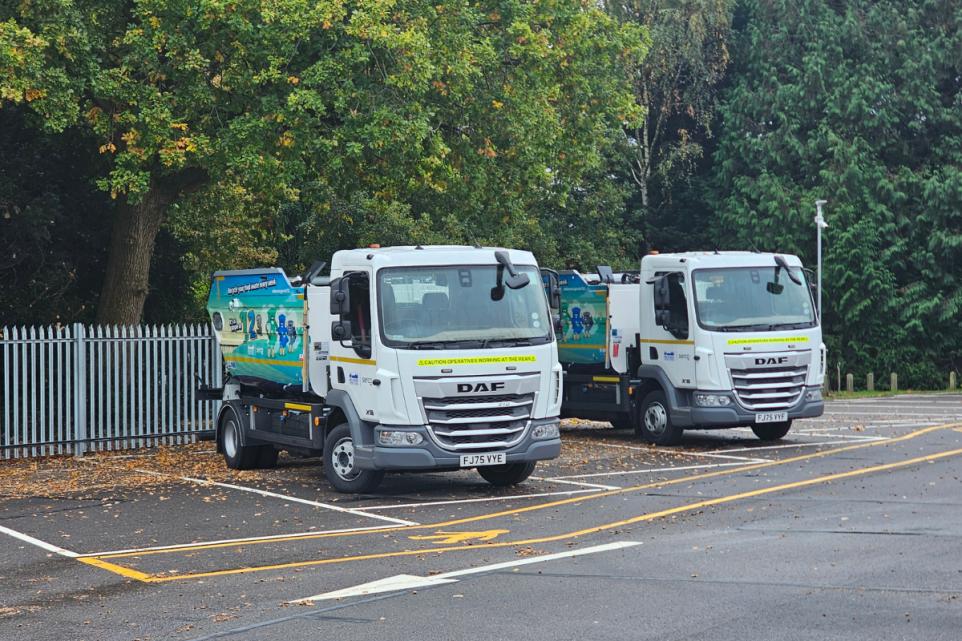


With the Simpler Recycling deadline approaching, including collecting food waste, those Councils who haven’t yet responded now face vehicle shortages, funding uncertainty, and compressed timelines. Here’s how structured planning, utilising funding responsibly and accountably, can turn pressure into progress, implementation, and adoption.
As the national deadline for weekly food waste collections approaches, the pressure on local authorities has never been more intense. The BBC reported that almost a quarter of English Councils will not meet the requirement due to shortages of specialist vehicles and uncertainty around ongoing revenue funding.
This national picture highlights that councils require structured planning, early governance, and access to experienced delivery partners capable of helping them navigate tight legislative timelines and operational bottlenecks. These are often driven by the pressure of continuing “business as usual” and ongoing collection services.
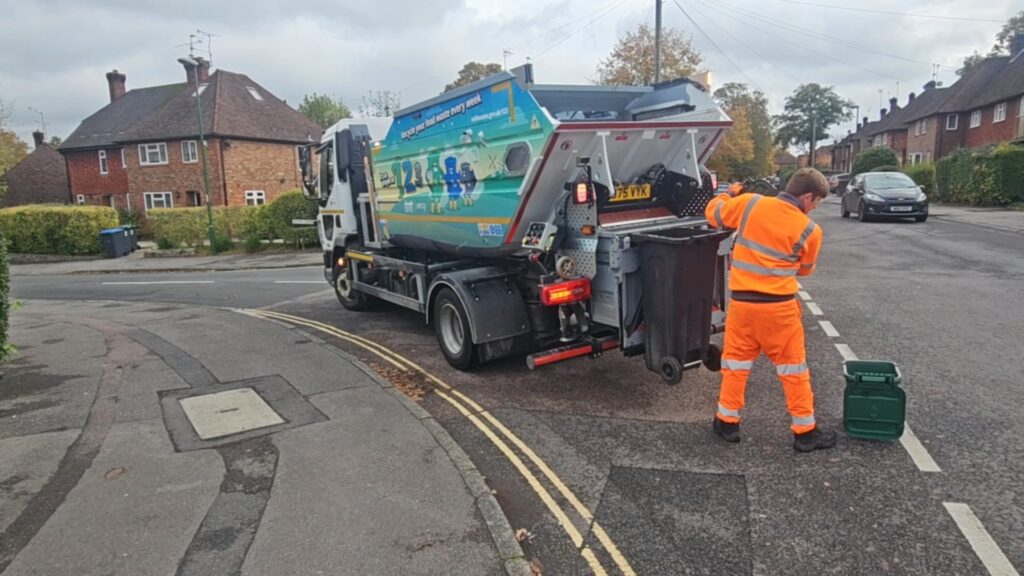
This is where Founds Group has been able to provide essential support and help remove the balancing of daily work tasks with new service re-design. Our work with Mid Sussex District Council (MSDC), helping shape and assure the rollout of its district wide “123” waste collection service, is a great example of how early planning, programme assurance, clear ownership, funding utilisation and a robust delivery framework can reduce risk and bring clarity to complex operational change.
Rather than being a showcase of one Council’s achievements, MSDC serves as a playbook for the structured approach that can help any local authority prepare for service wide reform and manage change under compressed timescales.
The case for more coordinated Leadership
The challenges highlighted by recent reporting are not about poor performance, they reflect a national system under strain:
- Vehicle shortages: suppliers facing exceptionally high demand, slowing procurement across the country.
- Funding uncertainty: capital grants may cover vehicles and bins, but not the long-term revenue needed for weekly services.
- Financial risk: councils warn that launching without confirmed revenue support could be unsustainable in the longer term.
- Existing contracts: where outsourced, these are often procured over a longer term and not always easy to re-negotiate any change.
Some authorities have been formally granted later start dates, such as Wiltshire Council, which will begin weekly food waste collections in 2027 due to contractual constraints and the complexity of whole system service transformation, rather than failure.
These pressures reinforce the need for councils to adopt strong governance, long-term planning, and transparent communication as they navigate upcoming reforms.
Why Sharing Best Practice Matters More Than Ever
The national picture varies widely, depending on self vs outsourced delivery, geography and demography, contract cycles, fleet availability, budget constraints and workforce capacity. Authorities making the most progress share several best practice behaviours:
- Early strategic planning
Councils that identified fleet needs, modelled participation, and mapped collection routes before legislation came into effect are better positioned to manage risk and meet timelines. - Evidence based service design
In cases where Councils have not previously had a food waste service, rapid scaling introduces operational uncertainty. Pilot deployment on a smaller scale and scenario modelling helps identify realistic solutions and anticipate pressure points. This can be modelled by forecasting impacts on existing services to forward plan for go live. - Honest assessment of constraints
Interviews cited in coverage show Councils openly acknowledging delays, funding gaps, supply chain challenges and existing contract restrictions as an essential foundation for setting realistic expectations and timelines. - Resident Centric Approach
National differences in service levels have caused confusion. Councils that have a good comms strategy, communicate consistently and early, tend to see higher participation and lower contamination issues, repeatedly highlighted in broader BBC-led coverage of waste and recycling.
Learning from Real-world Delivery: The Value of Structured Support
Many Councils will aim to deliver Simpler Recycling themselves, often with all the BAU challenges getting in the way. More ambitious and determined Authorities will turn to specialist partners to provide this clarity, stability and delivery discipline required to meet these national deadlines. Founds Group support to MSDC is a good example of how structured planning and programme assurance can help an Authority navigate service re-design more effectively.
The MSDC Simpler Recycling Programme benefited from:
- Early planning that enabled the team to get ahead of contract negotiation and mitigate operational risks.
- Lessons learned from piloting on a smaller scale through simulated delivery, testing with a small cohort of residents, proving equipment types and operational scheduling.
- Robust governance frameworks that strengthen confidence and support decision making, cost management, resolving issues and engaging Members.
- Clear delivery framework to align political, strategic and environmental priorities – with a clear plan, workstreams and activities underpinning progress.
- Defined ownership across Council leadership, contracted partners and operational teams, with clear accountability, roles and responsibilities.
- Resident focused communications that support honest progress updates and drive behavioural change, enhancing adoption and driving up participation rate.
These principles are universally beneficial and can be adapted for any local authority preparing for service change, regardless of size, maturity or timescales.
Sector Wide Reflection
The national challenges, vehicle supply constraints, revenue uncertainty and compressed mobilisation windows create a clear opportunity for shared learning and coordinated action across local government. Councils may benefit from asking:
- How do we navigate through procurement bottlenecks?
Convene rapid supplier market engagement sessions, structure accelerated mini competitions using existing frameworks and run route/fleet modelling and optimisation to right size specifications before orders, reducing rework and long lead times. - How can we share best practice with early adopters to reduce duplication?
Provide delivery playbooks (i.e. mobilisation checklists, risk registers, communications templates and digital inclusion best practice) and benchmark dashboards (i.e. participation, set-up, contamination) drawn from live programmes, including reusable governance/assurance patterns proven in Mid Sussex. - How can we help elected members navigate uncertainty?
Prepare member briefing packs, regular steering groups, translating constraints (ie. vehicle availability, revenue impacts, capacity) into options with risk/benefit profiles and phased timelines, including pathways for formal later start dates where justified (e.g., Wiltshire’s 2027 dispensation). - How can we ensure residents remain engaged in the change?
Support resident readiness campaigns, plain language messaging, and planning with digital inclusion teams and resident liaison groups, aligned to your service model and local context, addressing confusion spotlighted in national coverage and therefore creating a better customer journey.
Bottom line: Authorities that adopt structured planning, transparent communications and an evidence based, decision-led approach, are much more likely to achieve sustainable service delivery. At Founds Group, our lived experience demonstrates this approach can work, coupled with strong assurance, focused from early planning through to mobilisation. This coupled with robust resident engagement adopting a clear comms strategy, can support Authorities move from pressure to progress with confidence.
Using a similar framework as applied with MSDC’s Simpler Recycling Programme, we are ready to extend those discussions and facilitate readiness workshops to help Authorities surface mission critical risks, develop mitigations and map realistic routes to go live and adoption.
Moving Forward Together
The national landscape remains complicated, and pressures are growing, but the path forward becomes clearer when Councils are supported by:
- Experienced partners who understand rollouts and have lived experience.
- Proven planning and delivery frameworks
- Data-driven decision-making
- Transparency with governance and accountability models
- Cross sector collaboration
At Founds Group, our goal is not to spotlight any single Council, but to help all Authorities build sustainable, resilient services that work for residents, manage budgets and protect the environment, particularly as national deadlines and operational challenges converge. We look forward to furthering the conversation.